by SimPlus | Aug 1, 2017 | Simulation
Assessing future berth performance
for Jurong Port Pte. Ltd.
The Challenge
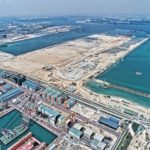
Jurong Port is a major and thriving gateway for multi-purpose cargo in Singapore and in the region. As Singapore’s only international multi-purpose port today, Jurong Port expects to see steady growth in its general and bulk cargo volumes over the near and longer term future. It is thus important for JPPL management to ascertain whether the existing and planned berth space will be enough to cater to the projected traffic volumes.
The Solution
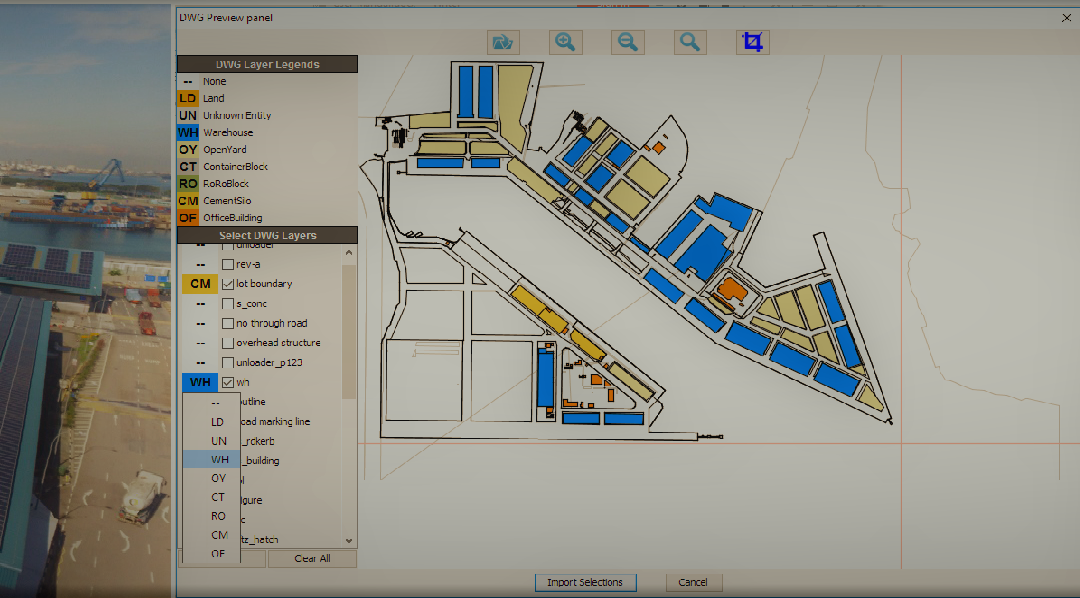
A simulation model emulating JPPL’s berth operations was developed using our Berth Planning System (BPS), with detailed setting on berth setup, berthing guidelines and berth pro-forma. The model was validated against the past vessel traffic and operations data. For future scenarios, Berth On Arrival rate and Berth Occupancy rate were set as the key performance indicators to assess whether the required service level could be achieved.
Recommendations were given to improve performance, and quantitatively evaluated to ensure that JPPL was adequately prepared to handling the future traffic, thus avoiding heavy congestion, high vessel sweating times, and dissatisfied customers.
by SimPlus | Jul 31, 2017 | Simulation
Capacity assessment for ferry terminals
for Maritime and Port Authority, Singapore
The Challenge
In 2014, the ferry terminals in Singapore handled more than 13 million trips, with a nearly equal split between regional and domestic destination. To be able to manage the expected increase in traffic while maintaining a satisfactory service level, the Maritime and Port of Singapore faced the challenge of getting a reliable demand forecast and finding cost-effective solutions to handle the passenger traffic in the long run.
The Solution
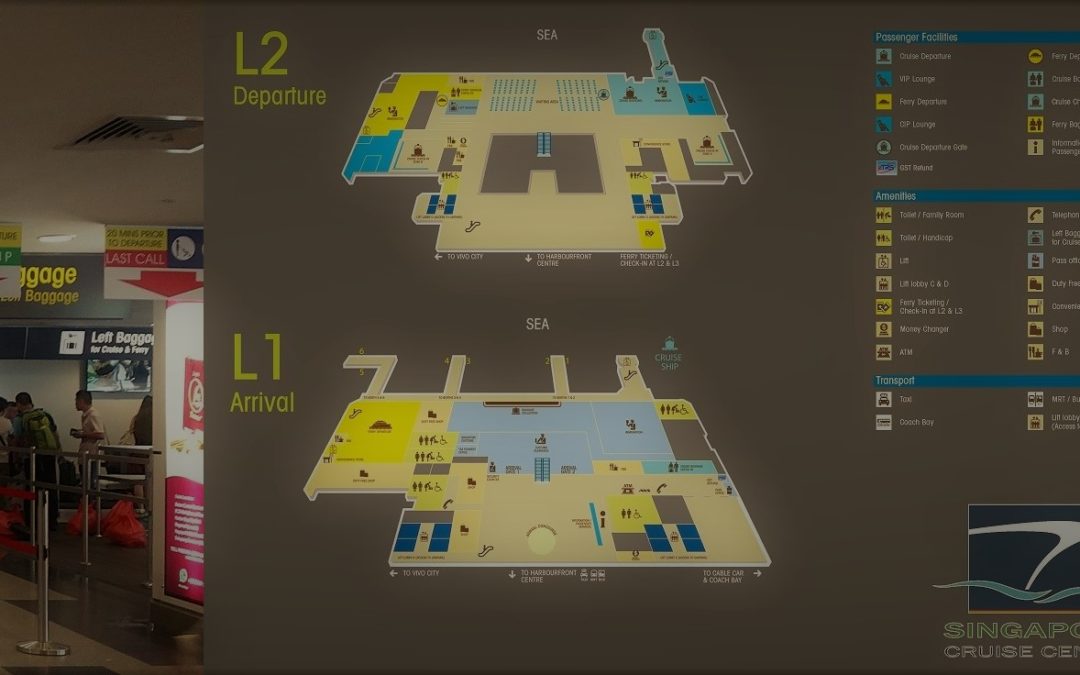
We built a passenger handling model for each of the ferry terminals at Singapore, using our Passenger Terminal Simulation (PTS) system, considering the historical productivity and its possible improvement due to advancement in technologies or re-engineering of handling process. We established the service levels under various traffic levels and passenger arrival patterns, from the perspective of the overall customer experience, and determined the capacity as well as the adequacy of the existing facilities.
Different solutions including consolidation, diversion, or reconfiguration of passenger traffic were assessed with quantification in capacity enhancement, which helped MPA find the most suitable development road-map.
by SimPlus | Jul 31, 2017 | Simulation
Demand forecast for essential marine services
for Maritime and Port Authority, Singapore
The Challenge
The port and maritime industry is a key contributor to Singapore’s economy, accounting for 7% GDP. The Port of Singapore is one of the world’s busiest, with 134,883 vessels arriving in 2014 or an average of 369 vessels arriving daily. In terms of cargo, 581 million tonnes of cargo and 33.8 million TEUs were handled in 2014. However, the Port of Singapore faces rising competition from other regional ports, especially with Shanghai Port becoming the world’s busiest port in 2010.
The Solution
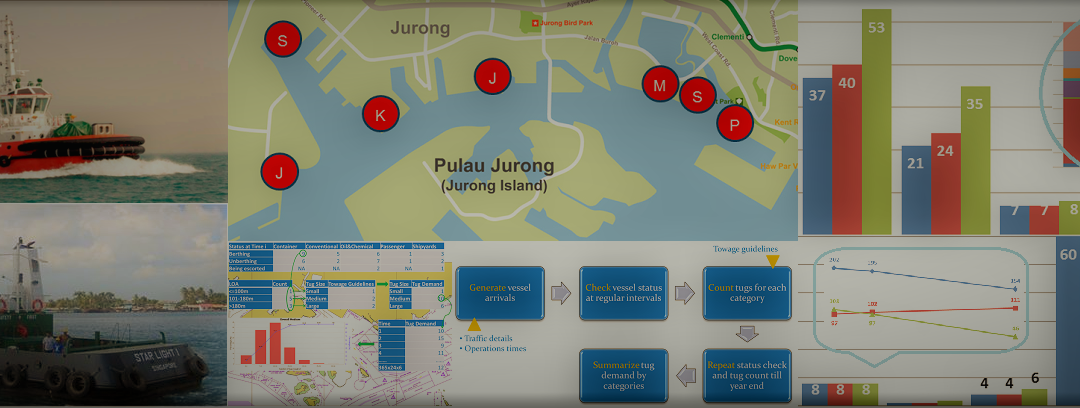
To enhance Singapore’s competitiveness and efficiency as a premier global hub port, we helped the Maritime and Port Authority of Singapore build a demand model for towage and waterboat services, based on historical trend analysis on productivity and future vessel arrival forecast. The model came with a simulation engine that is able to accurately assess the vessel status in ports, identify whether they are navigating with tug assistance, anchoring for waterboat service, or in other irrelevant statuses, and thereby generate the statistics for assessing the demand for tug and waterboat services.
Working with Frost & Sullivan, we applied the model to ascertain the supply of towage and waterboat services and determine the optimal service level as well as appropriate penalty and incentive frameworks for such services.
.
by SimPlus | Nov 27, 2016 | News
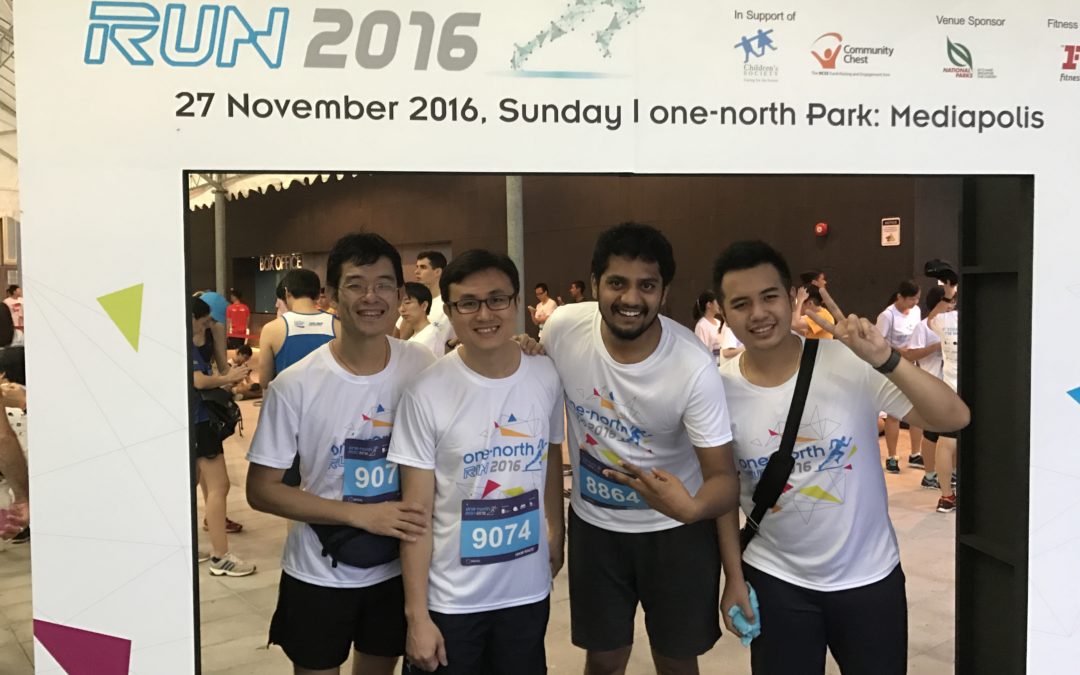
 SimPlus is proud to be one of the sponsors of the one-north Run 2016 to raise funds for the Singapore Children’s Society and Community Chest and to help the underprivileged. More than 45 corporates supported the event, such as Nestle, Rolls-Royce and P&G.
Despite the bad weather, our strong software team of four braved the rain, completed the challenge and won the precious medals. S$250,000 has been raised through this event, which will be channelled to local charities including the Singapore Children’s Society, the Movement for the Intellectually Disabled of Singapore (MINDS) and the Asian Women’s Welfare Association (AWWA).
The charity event was organised by SimPlus’ clients, the Agency for Science, Technology and Research (A*STAR) and JTC. SimPlus is very happy to have made a small difference in helping those in need and helping realise their fullest potential.
by SimPlus | Sep 27, 2016 | News
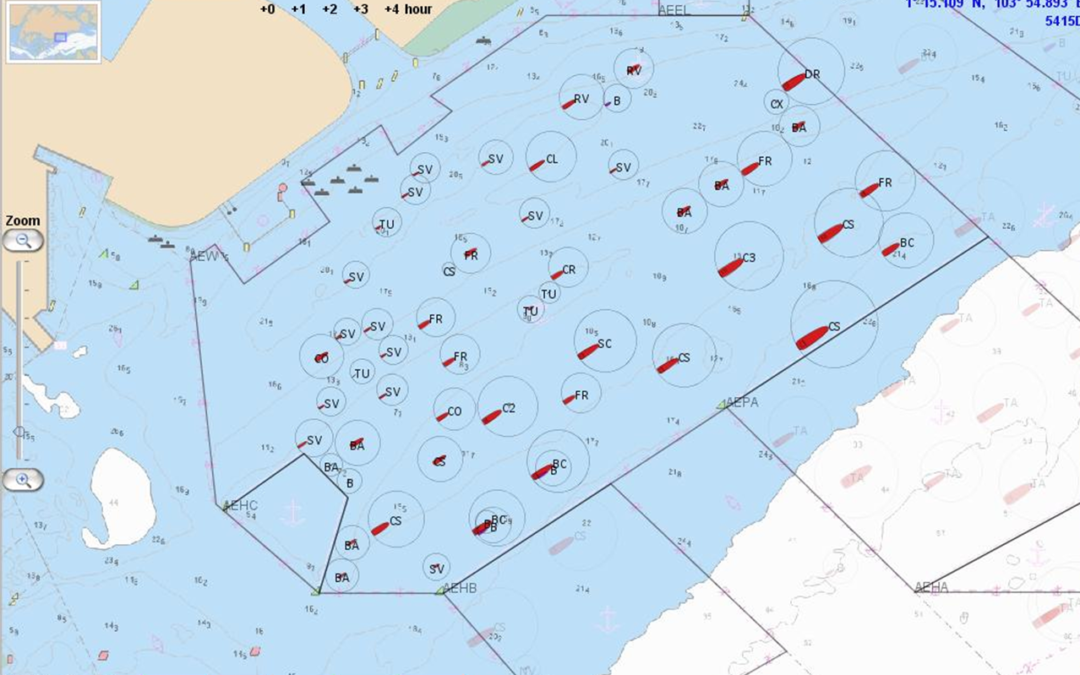
 SimPlus is undertaking a project on Capacity Planning of Singapore anchorage spaces. This includes a thorough assessment of current anchorage usage status, benchmarking with other leading ports, and planning anchorage space for future expected traffic.
An update on SimPlus’ study was provided to MPA and key agencies like MHA, JTC, EDB, ICA, URA.